
A Professional Introduction Is Only the Starting Point
Finding a promising business partner in China can open the door to new products, competitive prices and valuable manufacturing opportunities. A company representative might respond quickly, provide an impressive catalogue and offer terms that look better than those of competing suppliers. However, a convincing sales presentation does not necessarily tell you who you are dealing with or whether the business can deliver what it promises.
This does not mean importers should approach every new supplier with suspicion. Most successful business relationships begin with a degree of trust, but that trust should develop alongside evidence. Taking time to investigate a company before transferring money, signing a contract or committing to a large order can help buyers avoid problems that are much harder to resolve later.
Confirm That the Business Actually Exists
One of the first steps is establishing whether the company is a legitimate, registered business. Buyers should request the supplier’s full legal Chinese name, registered address and relevant business registration details. These particulars provide a starting point for checking the company against official records rather than relying entirely on the English name used by its sales team.
It is important to compare the information across different documents. If the name on a quotation differs from the name on the registration record or payment instructions, there may be a reasonable explanation, but it needs to be clarified. Some businesses use trading names or work through separate export companies. The key is understanding which legal entity you are dealing with and why the names differ.
Understand What the Company Actually Does
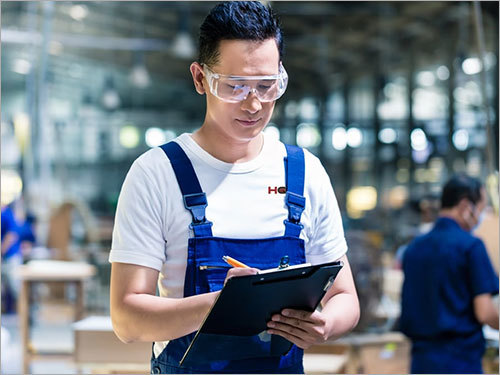
A registered business is not automatically the right supplier for a particular order. Some Chinese companies manufacture their own products, while others operate as trading businesses that source goods from several factories. Neither model is inherently unsuitable, but buyers need to understand which arrangement applies.
Ask about the company’s main activities, product range and role in the supply chain. If the business claims to own a factory, request information about its production facilities, equipment and manufacturing capabilities. If it acts as an intermediary, find out how it selects factories and manages quality. These questions help establish whether the company has the resources and experience needed to fulfil the order.
Check Whether the Contact Details Make Sense
Business contact information can reveal inconsistencies that deserve further investigation. Compare the registered address with the address provided by the sales representative, and establish whether the company has a verifiable business presence at the location it claims to occupy.
A difference between addresses is not automatically a warning sign. A company might have a registered office in one city and production facilities elsewhere. However, the supplier should be able to explain the arrangement clearly. Buyers should also be cautious if representatives repeatedly avoid providing basic company information or offer explanations that change during discussions.
Examine Payment Arrangements Carefully
Payment is one of the areas where importers should be particularly thorough. Before sending a deposit, establish the legal name of the company receiving the funds and check that it matches the agreed contractual arrangements.
Requests to pay an unrelated business, an individual or a newly introduced bank account deserve additional scrutiny. There can be legitimate reasons for a company to use a separate payment entity, but the relationship should be documented and independently confirmed. If bank details change shortly before payment, verify the change through a trusted communication channel rather than simply replying to the latest email. This can help protect against impersonation and payment diversion scams.
Look Beyond the Documents Provided by the Supplier
A supplier may send business licences, certificates, product catalogues and customer references to demonstrate its credibility. These documents can be useful, but buyers should not assume that everything supplied has been independently verified or remains current.
Where the order justifies it, importers can verify Chinese companies by comparing registration information with appropriate official records and checking whether the available evidence supports the supplier’s claims. The investigation may also involve confirming the identity of the contracting entity, reviewing relevant business information and checking whether stated certifications relate to the products or activities in question.
The depth of the checks should reflect the potential risk. A small trial order may require a different level of investigation from a long-term manufacturing agreement involving substantial deposits and ongoing production commitments.
Reputation Matters, but Online Reviews Are Not Enough
Searching for a company’s name can reveal useful information, including customer feedback, business history and reports of disputes. However, online information needs to be interpreted carefully. A lack of negative reviews does not prove that a business is reliable, while an isolated complaint may not provide enough context to judge the company fairly.
Look for patterns rather than relying on one comment. Repeated concerns about missed deliveries, unexpected payment requests or goods that differ from agreed specifications may justify further questions. Where possible, ask for references from customers with comparable orders and verify those references independently. The aim is to build a broader picture rather than treating any single source as conclusive evidence.
Make Sure the Agreement Matches the Business
Once the initial checks are complete, review the proposed contract and confirm that it identifies the correct legal entity. Product specifications, payment terms, delivery schedules, quality requirements and procedures for handling disputes should be documented clearly.
This is particularly important when the business introducing itself to the buyer is not the same company that will manufacture the goods or receive payment. Each party’s responsibilities should be understood before the agreement is finalised. If the arrangement is complex or the financial exposure is substantial, professional legal advice can help clarify the implications and reduce avoidable uncertainty.
Build Trust Through Verification
Working with a new Chinese business partner does not need to be complicated, but it does require more than an attractive quotation and a reassuring conversation. Confirming the company’s identity, understanding its role, reviewing payment arrangements and checking important claims can help buyers make decisions with greater confidence.
No single check can eliminate every risk, and even a legitimate company may fail to meet expectations. However, a structured investigation makes it easier to identify unanswered questions before they become expensive problems. By establishing who they are dealing with and documenting the terms of the relationship, importers can build partnerships on a stronger foundation of evidence and mutual accountability.