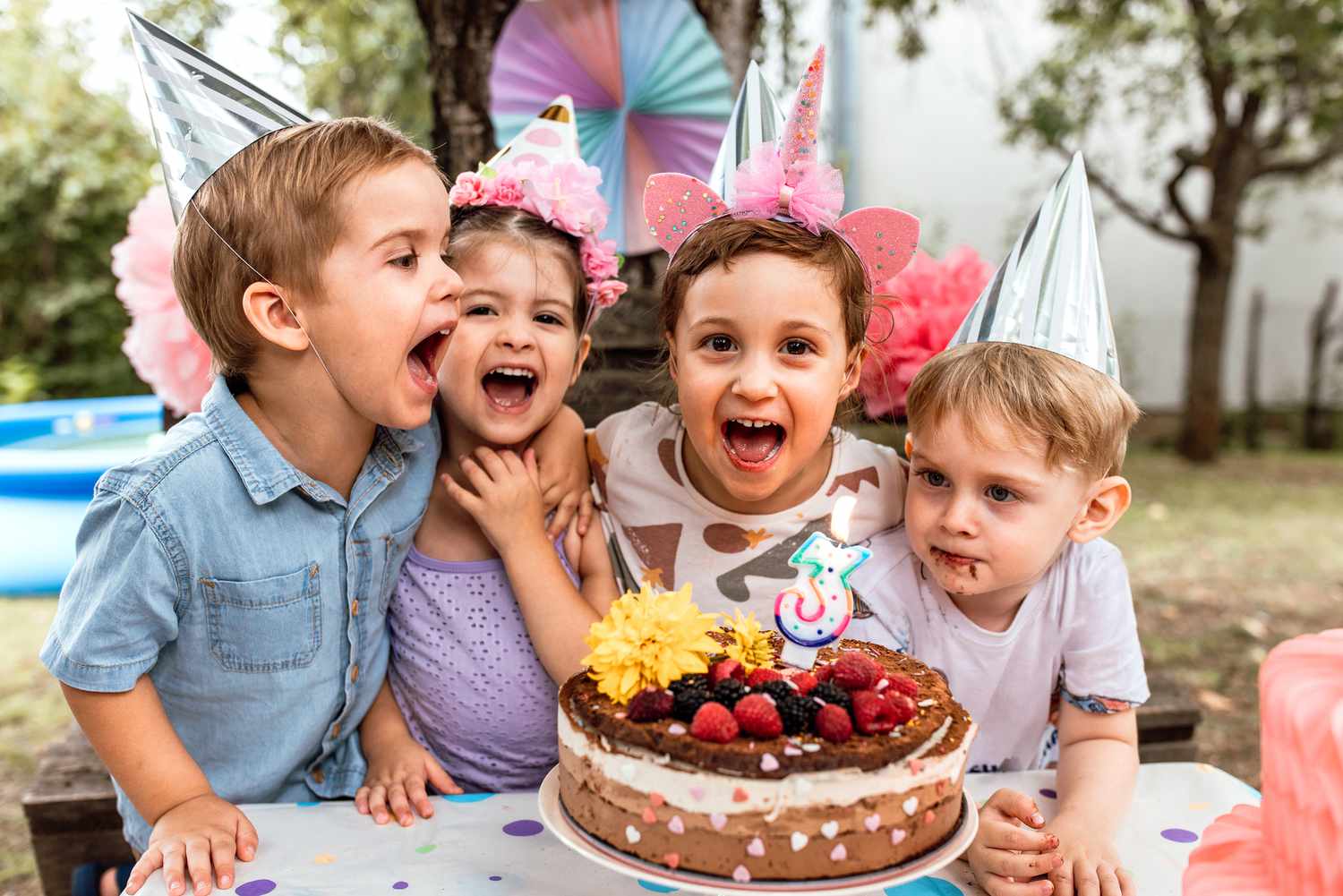
A children’s disco transforms an ordinary celebration into a lively occasion filled with music, dancing, laughter, and colorful entertainment. With cheerful songs, engaging activities, and an energetic atmosphere, children can enjoy memorable moments alongside their friends and family. Bringing a disco experience into a home setting also creates a welcoming environment where young guests can express themselves, discover their favorite rhythms, and celebrate special occasions in an exciting way.
Creating A Colorful Party Atmosphere
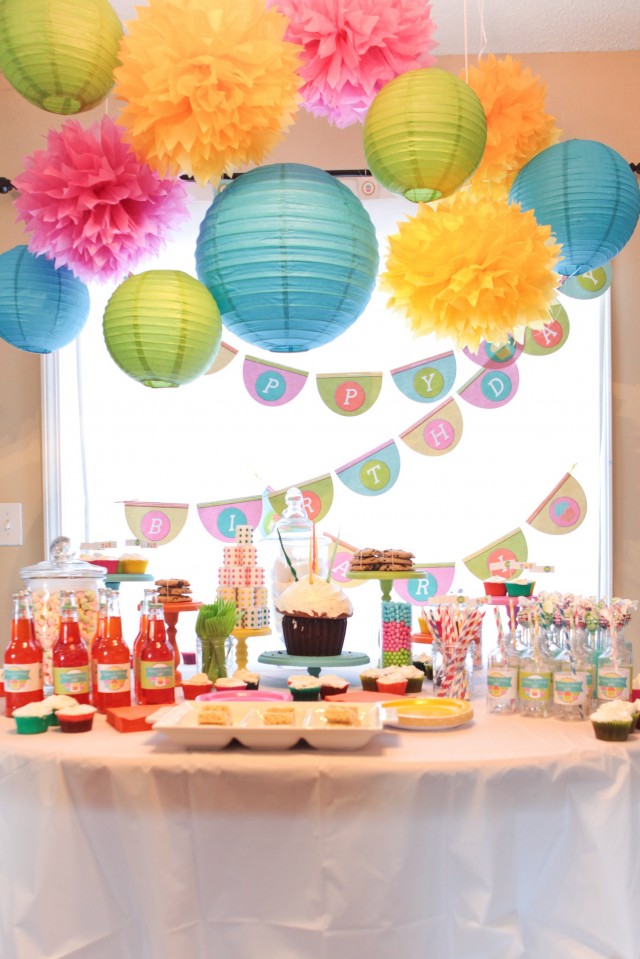
A vibrant atmosphere helps children feel excited from the moment the celebration begins. Colorful decorations, playful lighting, and upbeat music work together to create an inviting setting that encourages everyone to participate.
- Bright decorations add charm and visual appeal to the party space.
- Colorful lighting creates an entertaining dance environment.
- Cheerful music encourages children to move and enjoy themselves.
- Festive surroundings make photographs more memorable.
- Creative themes give the celebration a distinctive personality.
Music That Brings Everyone Together
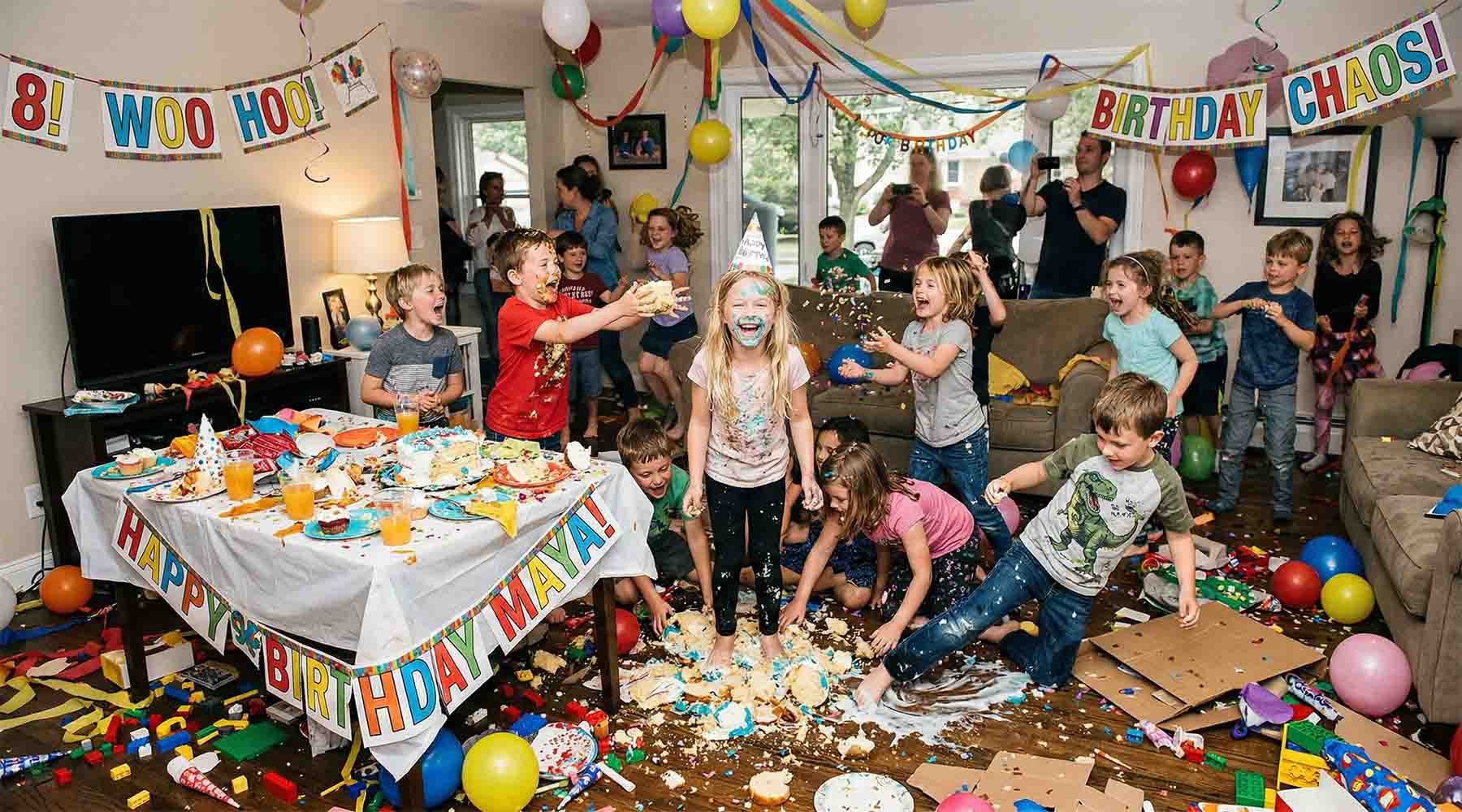
Music is an essential part of a successful children’s celebration because it encourages movement, interaction, and shared enjoyment. Familiar melodies and lively rhythms help children feel comfortable joining the dance floor, regardless of their dancing experience.
- Popular children’s songs encourage enthusiastic participation.
- Catchy rhythms inspire spontaneous dancing and playful movements.
- Musical variety keeps the entertainment fresh and interesting.
- Group dances create opportunities for children to participate together.
- Familiar tunes help guests feel connected through shared enjoyment.
Interactive Entertainment Encourages Participation
An engaging disco experience offers more than music alone. Interactive games, friendly dance challenges, and entertaining activities provide different ways for children to participate, making the celebration enjoyable for guests with varied interests and personalities.
- Freeze dance adds playful suspense to musical entertainment.
- Dance competitions encourage creativity and self-expression.
- Musical games bring laughter and friendly excitement.
- Group activities help children connect with new friends.
- Simple challenges give every child an opportunity to join in.
Convenient Entertainment For Home Celebrations
Organizing entertainment at home allows families to create a personal celebration without losing the excitement of a dedicated party experience. Choosing to hire a children’s disco can bring professional entertainment, suitable music, and engaging activities together, helping parents enjoy the occasion while children remain entertained.
- Home celebrations offer a familiar and comfortable environment.
- Organized entertainment helps maintain a lively party atmosphere.
- Age-appropriate music supports enjoyable participation.
- Planned activities make it easier to keep young guests engaged.
- Flexible arrangements help families personalize their celebrations.
Making Special Occasions More Memorable
Birthdays, family gatherings, and seasonal celebrations become more meaningful when children have opportunities to enjoy themselves with friends. A lively disco adds energy to these occasions while creating moments that families can remember long after the music ends.
- Dance floors create opportunities for joyful group moments.
- Themed decorations make celebrations feel more personal.
- Shared activities encourage friendship and cooperation.
- Fun photographs capture genuine smiles and excitement.
- Memorable entertainment gives children something wonderful to discuss afterward.
A Celebration Filled With Happiness
A children’s disco brings together music, movement, creativity, and social interaction in one enjoyable experience. Thoughtful planning, suitable entertainment, and an inviting atmosphere can help create a celebration that feels both exciting and comfortable. With opportunities to dance, play games, and share laughter, children can enjoy a special occasion that reflects their interests and personalities. For families, this combination of entertainment and togetherness makes a home celebration feel vibrant, welcoming, and truly memorable.